Open Book Font: A Literary Touch for Designers
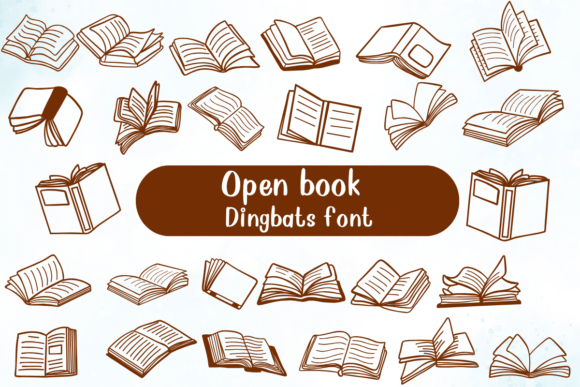
Open Book is more than just a font—it's a creative tool that brings the charm of literature to digital and print projects. With its hand-drawn open book illustrations, this unique typeface adds a whimsical yet professional flair to any design. Whether you're an educator, author, or designer, Open Book offers a fresh way to express ideas with a literary twist.
What Makes Open Book Unique?
Unlike traditional fonts, Open Book replaces each character with a stylized open book icon. This means every letter, number, and symbol is transformed into a visual representation of a book. The result is a font that’s both functional and artistic, perfect for projects that require a touch of creativity without sacrificing readability.
The hand-drawn style of Open Book gives it a personal, authentic feel. Each book illustration is slightly different, adding a sense of individuality to your work. This attention to detail makes Open Book stand out in a world of generic typefaces.
Key Characteristics of Open Book
- Hand-Drawn Aesthetic: Each character is crafted with a freehand style, giving the font a warm, human touch.
- Unique Book Icons: Every letter is represented by a distinct open book, making it ideal for thematic designs.
- High Legibility: Despite its artistic nature, Open Book remains easy to read, even at smaller sizes.
- Versatile Usage: Suitable for both digital and print media, including websites, presentations, and marketing materials.
Practical Applications of Open Book
Open Book is incredibly versatile, making it a valuable addition to various industries. Educators can use it to create engaging classroom materials, such as reading lists, lesson plans, or interactive worksheets. The font’s playful design helps capture students’ attention while maintaining a professional appearance.
Librarians and book clubs can benefit from Open Book when designing promotional materials, event flyers, or social media posts. Its literary theme aligns perfectly with the goals of these groups, helping to reinforce a love for reading and learning.
Authors and publishers can incorporate Open Book into book covers, author bios, or promotional content. It adds a subtle yet meaningful nod to the written word, enhancing the overall branding of a project.
Designing with Open Book
When using Open Book, consider the context of your project. For example, a children’s book might benefit from the font’s playful look, while a professional blog could use it sparingly to add visual interest without overwhelming the reader.
Combining Open Book with other fonts can help balance its uniqueness. Pairing it with a clean sans-serif or serif typeface ensures that the design remains cohesive and easy to read.
Benefits of Using Open Book
One of the main advantages of Open Book is its ability to enhance user engagement. By incorporating a literary theme into your design, you create a stronger connection with your audience. This is especially useful for brands or organizations focused on education, publishing, or creativity.
Open Book also supports branding efforts. For businesses that want to emphasize their connection to books or learning, this font can serve as a consistent visual element across all marketing channels. It helps build recognition and reinforces a brand’s identity.
In terms of usability, Open Book is designed with practicality in mind. It works well in both web and print formats, ensuring that your message is delivered effectively regardless of the medium. Its high legibility makes it suitable for a wide range of applications, from signage to digital content.
Real-World Examples
A local library used Open Book to design a series of posters promoting a summer reading program. The font’s book-themed characters helped create a fun and inviting atmosphere, encouraging community participation. The result was increased attendance and a stronger sense of engagement among patrons.
An independent author incorporated Open Book into her website’s navigation menu. The font added a unique visual element that aligned with her brand as a writer. Visitors found the design refreshing and memorable, which contributed to higher traffic and more sales.
Considerations When Using Open Book
While Open Book is visually appealing, it’s important to use it thoughtfully. Overusing the font can lead to cluttered designs that are difficult to read. Instead, focus on key areas where the font can make the most impact, such as headings, logos, or call-out text.
Ensure that the font is compatible with your design software and platforms. Some applications may not support custom fonts as seamlessly as others, so testing is recommended before finalizing a project.
Finally, consider your audience when choosing to use Open Book. While it’s great for literary or educational contexts, it may not be appropriate for more formal or corporate settings. Always align the font’s style with the tone and purpose of your work.