Merchant Ledger: A Bold Statement in Typography
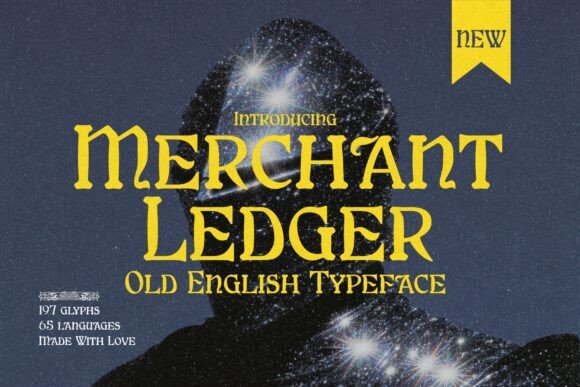
The world of typography is rich with styles that reflect different eras, cultures, and artistic movements. Among these, the Old English typeface stands out for its historical depth and visual impact. Merchant Ledger, a striking blackletter font, embodies the essence of this tradition while offering modern adaptability. Designed to evoke the grandeur of medieval manuscripts and royal decrees, it brings a sense of authority and mystique to any design project. Whether you're creating a logo, branding a business, or designing for a dark fantasy theme, Merchant Ledger provides a powerful aesthetic that resonates across multiple disciplines.
At its core, Merchant Ledger is more than just a font—it's a narrative tool. The intricate letterforms and dramatic curves draw inspiration from the handwritten scripts of centuries past, where each stroke carried weight and meaning. This font is particularly suited for projects that require a sense of history, authenticity, or theatricality. Its boldness makes it ideal for headlines, while its elegance allows it to function as a primary text font in certain contexts. The balance between traditional craftsmanship and contemporary usability ensures that it remains relevant in today's design landscape.
Characteristics of Merchant Ledger
One of the most defining features of Merchant Ledger is its elaborate letterforms. Each character is crafted with attention to detail, featuring flourishes and serifs that mimic the style of hand-lettered texts from the medieval period. The font’s structure includes tall, narrow ascenders and descenders, which contribute to its dramatic appearance. These elements create a visual rhythm that draws the eye and adds a sense of movement to the text.
The font also incorporates a unique blend of serif and blackletter characteristics. While it shares similarities with traditional Gothic typefaces, it avoids the harshness that can sometimes accompany such designs. Instead, Merchant Ledger offers a refined edge that feels both authentic and accessible. This makes it suitable for a wide range of applications, from book covers and packaging to signage and digital interfaces.
Another notable aspect of Merchant Ledger is its versatility. Despite its historical roots, the font has been optimized for modern use, ensuring legibility at various sizes and on different media. This adaptability allows designers to incorporate it into both print and digital formats without compromising quality. Additionally, its open letter spacing and balanced proportions make it an excellent choice for long-form text when used appropriately.
Practical Applications of Merchant Ledger
Merchants, artisans, and creatives often seek fonts that convey a sense of heritage and craftsmanship. Merchant Ledger fits this need perfectly, making it a popular choice for branding in niche markets. For example, an apothecary might use the font to design labels for herbal remedies, giving the products a vintage, artisanal feel. Similarly, a boutique clothing brand could incorporate it into its logo to evoke a sense of timeless elegance and sophistication.
In the realm of publishing, Merchant Ledger is frequently used for book covers, especially those related to historical fiction, fantasy, or non-fiction works that explore the past. Its dramatic appearance helps set the tone for the content within, creating an immediate connection between the reader and the narrative. Publishers may also use it for chapter headings or title pages, adding a touch of visual interest that enhances the overall reading experience.
For digital designers, the font offers a way to infuse a sense of nostalgia into modern interfaces. Web developers and UI/UX designers might use it for headers or call-to-action buttons, particularly in sites that cater to niche audiences or thematic content. When paired with complementary fonts, Merchant Ledger can create a visually cohesive design that balances old-world charm with contemporary aesthetics.
Advantages of Using Merchant Ledger
One of the key advantages of Merchant Ledger is its ability to communicate a specific mood or message through typography. In a world where visual storytelling is increasingly important, the right font can significantly influence how an audience perceives a brand or piece of content. The font’s historical associations lend it a sense of gravitas, making it ideal for projects that aim to inspire trust, creativity, or curiosity.
Additionally, Merchant Ledger’s distinctive style helps differentiate a design from others in the same category. In a saturated market, standing out is crucial, and the font’s unique characteristics can help a brand or product gain recognition. This is particularly beneficial for small businesses or independent creators looking to establish a strong visual identity.
From a technical standpoint, the font is well-suited for professional use. It comes in multiple weights and styles, allowing designers to adjust the look and feel of their work based on the context. This flexibility ensures that the font can be used effectively in a variety of settings, from high-impact posters to subtle background text.
Considerations When Using Merchant Ledger
While Merchant Ledger is a powerful tool, it is not always the best choice for every project. Its ornate style may not be appropriate for minimalist or modern designs that prioritize simplicity and clarity. In such cases, a more restrained font might be more effective in conveying the intended message.
Designers should also consider the readability of the font, especially when using it in body text. Although it is optimized for legibility, excessive use of the font can lead to visual fatigue. To avoid this, it is recommended to pair it with a more neutral typeface or limit its use to headings and short phrases.
Another consideration is the target audience. While Merchant Ledger appeals to those who appreciate historical and artistic elements, it may not resonate with all demographics. Understanding the preferences and expectations of the intended audience is essential in determining whether the font is the right fit for a particular project.
Conclusion
Mercantile and creative endeavors often benefit from the use of typography that reflects their values and vision. Merchant Ledger offers a compelling option for those seeking to incorporate a sense of history, drama, and elegance into their designs. With its intricate details, versatile application, and strong visual presence, it continues to be a valuable asset for designers across various industries. By understanding its strengths and limitations, professionals can harness its potential to create impactful and memorable work.