Flying Heart Tattoo as a Creative Font for Design and Expression
The concept of a Flying Heart Tattoo extends beyond traditional body art, encompassing a unique visual language that blends symbolism with aesthetic appeal. This design element, often associated with freedom, love, and spiritual movement, has found its way into various creative fields, including typography. The phrase "Flying Heart Tattoo" can also refer to a distinctive decorative font that captures the essence of this imagery. When integrated into design projects, this font offers a fresh perspective on how text can convey emotion and meaning.
For designers, artists, and writers, the Flying Heart Tattoo font presents an opportunity to infuse their work with a sense of motion and elegance. Its flowing lines and intricate details make it particularly suitable for projects that aim to evoke a feeling of lightness or transcendence. Whether used in logos, book covers, or digital illustrations, this font adds a layer of visual interest that can differentiate a piece from more conventional typefaces.
One of the key advantages of the Flying Heart Tattoo font is its versatility. It can be adapted to a wide range of contexts, from casual social media posts to professional branding materials. Its stylistic elements allow for both bold statements and subtle expressions, depending on how it is applied. This flexibility makes it an attractive choice for creators looking to experiment with typography while maintaining a cohesive visual identity.
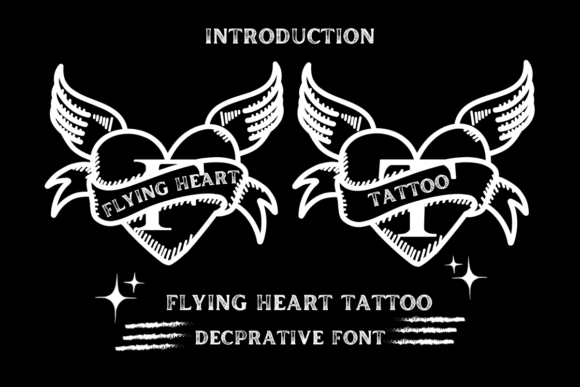
When considering the use of the Flying Heart Tattoo font, it's important to understand its characteristics. The font typically features elongated strokes, curved shapes, and ornamental flourishes that mimic the movement of a heart in flight. These design choices contribute to a sense of fluidity and dynamism, which can enhance the overall impact of any text it is used in. However, because of its complexity, it may not be the best option for all applications, especially those requiring high readability at small sizes.
Designers who incorporate the Flying Heart Tattoo font should also consider the context in which it will be used. For instance, in a commercial setting, such as a logo or advertisement, the font needs to align with the brand's identity and messaging. In a more artistic or personal project, it can serve as a powerful tool for self-expression. Balancing these factors ensures that the font enhances rather than detracts from the intended message.
Another aspect to explore is the cultural and symbolic significance of the flying heart motif. Historically, hearts have represented love, courage, and emotional depth, while the notion of flying adds an element of aspiration and liberation. Combining these concepts through the Flying Heart Tattoo font can create a visually compelling narrative that resonates with audiences on multiple levels. This dual meaning makes it a valuable asset for storytellers, educators, and communicators who seek to convey deeper messages through their work.
For those interested in typography, experimenting with the Flying Heart Tattoo font can lead to new insights about the relationship between form and function. By studying how different elements of the font interact, designers can develop a better understanding of typographic principles and how they influence perception. This process not only improves technical skills but also fosters creativity and innovation in design thinking.
In addition to its visual appeal, the Flying Heart Tattoo font can be a source of inspiration for writers and content creators. Incorporating this font into titles, headings, or captions can add a unique touch that captures attention and sets a tone. Whether used in blogs, presentations, or promotional materials, it has the potential to elevate the overall aesthetic and engagement level of the content.
It's also worth noting that the Flying Heart Tattoo font can be paired with other typefaces to create balanced and harmonious compositions. For example, combining it with a clean sans-serif font can provide contrast and clarity, making the text more accessible while retaining the artistic flair of the main font. This approach allows for greater flexibility in design and helps maintain a professional appearance without sacrificing creativity.
As with any design element, the effectiveness of the Flying Heart Tattoo font depends on how it is implemented. A well-executed use of this font can enhance the visual storytelling of a project, while poor execution may result in confusion or a lack of impact. Therefore, it's essential to test different variations and layouts to determine what works best for each specific application.
Ultimately, the Flying Heart Tattoo font represents more than just a stylistic choice—it embodies a philosophy of expression that values both beauty and meaning. By integrating this font into creative workflows, professionals and enthusiasts alike can explore new ways to communicate ideas and connect with their audience. Whether used in print, digital media, or interactive experiences, it continues to inspire and captivate those who appreciate the intersection of art and design.
For individuals looking to expand their creative toolkit, the Flying Heart Tattoo font offers a distinctive option that can bring a fresh perspective to their work. Its combination of symbolism, aesthetics, and functionality makes it a valuable resource for anyone involved in visual communication. As trends in design continue to evolve, fonts like this one will remain relevant for those seeking to stand out and make a lasting impression.